Dubai’s Ultimate Tenant Guide - Processes, rights and rules explained
Navigate renting in Dubai with ease. Learn tenant rights, legal processes, and essential rules every renter must know before signing a lease.
Published Date
March 26, 2026
Modified Date
August 17, 2026
Read Time
6 min read
Dubai’s Ultimate Tenant Guide - Processes, rights and rules explained

Table of contents
What the rental journey looks like for the average tenant
Law No. 26 of 2007 – The Original Tenancy Law
Law No. 33 of 2008 – Key Amendments
Simplify Tenancy In Dubai With Prosper
FAQs
Related Blogs
Get Started With Prosper
Join owners and tenants across Dubai who manage everything in one place.
Dubai has anchored itself as one of the most dynamic and premier destinations in the world today. An emirate bustling with a population estimated at 4,036,863 residents. As per the Dubai Data and Statistics Department, the city saw an influx of nearly 210000 new residents last year alone, with a majority of this population comprising expatriates (89%).
With such a high number of expatriates driving the workforce of this multicultural city day in and day out, it is crucial to have transparent, easy to implement rules and regulations to govern their rights.
This comprehensive guide aims to cover all you need to know as a tenant trying to understand the processes, laws, rights and rules that can help you better navigate the market with confidence and certainty.

What the rental journey looks like for the average tenant
Finding and successfully closing in on the ideal home is an exciting proposition. Breaking down the process into a set of methodical steps makes it simpler to tread the entire journey and helps avoid any routine issues one might face otherwise.
Let’s go through the steps -
1. Be sure of your budget and create a list
It’s most important to be sure of what your finances allow you when looking for a home. Ideally, your annual rent should typically account for only 30% of your annual income. But it’s not just the base rent you pay, there are other costs involved too:
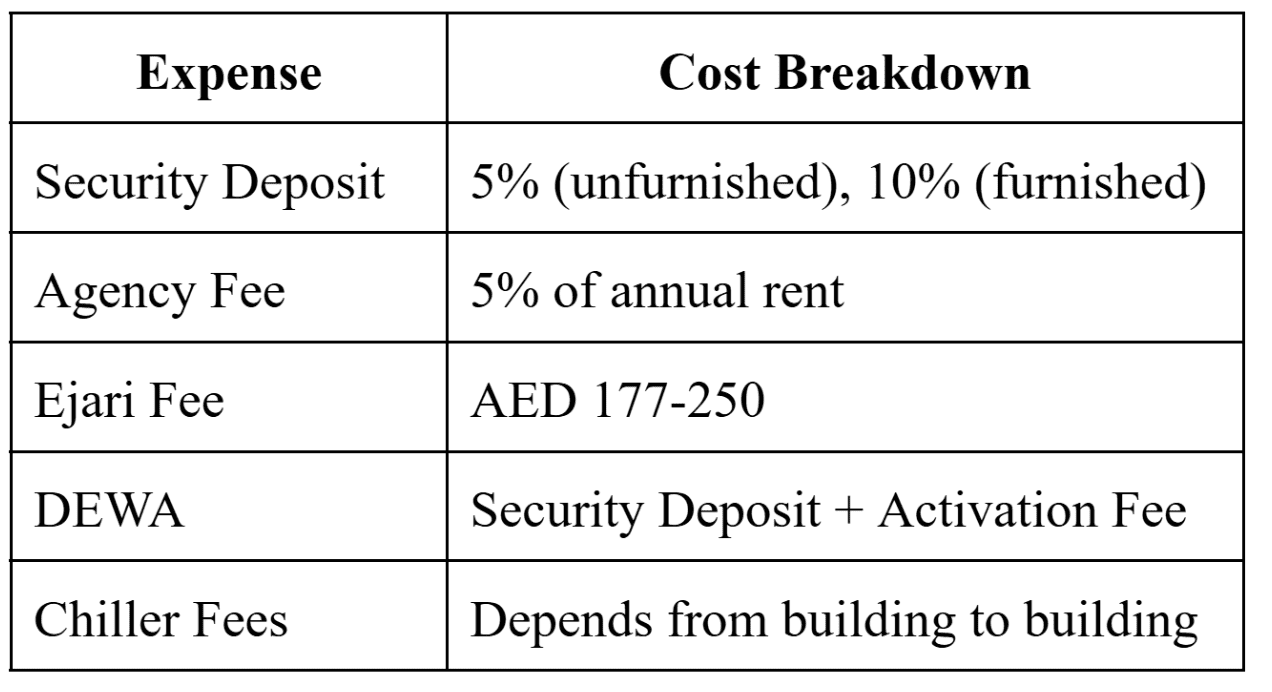
With a clear budget in mind, it becomes easier to zero in on what you want as a tenant. Whether you prefer close proximity to a school in Dubai, accessibility to the metro, or being closer to your workplace, defining these priorities can help your agent better plan and tailor options to your specific requirements.
2. Commission a RERA certified agent to assist you.
A seasoned and professional real estate broker is your best bet to tread the market with ease and help you find the best home for you. Ensure you engage a RERA certified broker (ask her for his/her broker number to validate this). A good agent can provide you key insights about the market and get you the best value for money within your budget.
3. Start viewing properties.
When finding the ideal home, it is important to look beyond surface level aesthetics and actually get into the nitty gritties of the property. Inspect the property carefully, get all the clarifications you need and look out for any red flags. Some things to look out for could include:
- Water damage or dampness across the house, especially in areas where water is frequently used such as the kitchen, washrooms or even ceilings where seepage could occur.
- Closely inspect and ensure the air conditioning units and vents are clean and well maintained.
- Enquire about building maintenance, amenities and community rules.
- Check in with your potential neighbors and carefully gauge what their experience has been like. Another step of due diligence would be to look up the building and read up on what present and past occupants have to say.
- Visit the neighborhood during different hours of the day to have a better assessment of what the traffic situation looks like, parking spots, noise levels and the overall vibe.

4. Make an offer and sign the contract.
Your agent will represent you in submitting a formal offer along with a token deposit cheque to confirm the same. After approval, you must sign a Tenancy Contract to confirm the terms. It's important you read every single term listed in this document and then sign. Some things to look out for would be:
- Who will bear the maintenance costs and up to what limit lies with the tenant and beyond what limit does it become the responsibility of the landlord.
- Penalties involved in early lease termination
- Access to the landlord
- Any special stipulations that may have been put in place.
Note: Once you sign, it is a legally binding agreement.
5. Ejari Registration.
Ejari means “my rent” in Arabic and it is a compulsory government rule put in place to register all tenancy contracts in Dubai. You require this document to set up your DEWA account and without this document, the Rental Disputes Center will not entertain any potential disputes you may raise in the future. Your landlord or their representing broker is generally responsible for this registration.
6. Move-in Inspection
Do a thorough inspection with the property owner or their broker where you take photos and videos, check everything in the home which could mean chipped tiles, broken plaster, appliances that don’t work properly etc.
Once this check is completed, draft a formal move-in report and ensure both parties acknowledge and sign the same. This helps you get your security back in full when the time comes to move-out.
Law No. 26 of 2007 – The Original Tenancy Law
These laws are the foundation of your tenancy, covering obligations, rights and crucial procedures that umbrella everything, from rental installments to termination of agreements. These laws are put in place to aid you in becoming a well-informed tenant.
All tenancy contracts in Dubai must be registered with Ejari. This registration validates the contract and is mandatory for tenants to access government services like DEWA. Without Ejari, tenants cannot raise disputes at the Rental Dispute Center (RDC), making it a critical step for legal protection.
Landlord & Tenant Responsibilities Under The Law
Article 16 of Law No. 26, 2007 clearly states that the landlord is responsible for any repairs and maintenance work that affect the tenants intended use of the property. Alternatively, Article 19 does state that the tenant must ensure minor repair work and upkeep is done as any “ordinary person would maintain his own property.’’
The responsibilities maybe classified as:
Landlords Duty (Major maintenance): Structural fixes, AC system operations, major electrical or plumbing work and leaks from outside.
Tenants Duty (Minor maintenance): Routine vent cleaning, changing small fixtures, maintaining general upkeep and cleanliness. Mostly there is a clause in the lease agreement that sets a limit up to which the tenant bears the damage and beyond which the landlord must take ownership of the damages.
Further landlord responsibilities under the law include:
- Article 15: Handover of a hygienic and habitable home
- Article 16: Fulfilling major maintenance obligations
- Article 17: Not restricting your use of the property
- Being respectful of your space and privacy
- Complying with all processes
A breakdown of security deposits
Security deposits are generally given to the landlord to ensure any potential damages that go beyond the normal deterioration of the property. Generally, the security token is a standard 5% of the yearly rent for unfurnished properties and 10% for furnished properties.
At the end of the contract and upon successful handover, your landlord must return the security token to you. In case of any claims from the security amount, the landlord must give you an itemised breakdown of where the repairs were made along with receipts.
In case the landlord holds your deposit without any concrete reason, you can raise a claim at the RDC.
Early Eviction During The Contract
Your landlord may seek early termination of your contract only in case of severe breaches of your contract. These breaches could include:
- Failure to pay rent within 30 days of notice from the landlord.
- Tenants attempt to sublet the property without landlords written acknowledgement.
- If the property is used for any illegal activities.
- Making alterations that hamper safety of the property.
- Using the property for anything besides what it was rented for.
If a landlord wishes to evict a tenant for contract breaches, proper notice must be given. The notice should clearly state the breach and allow sufficient time for the tenant to remedy it.
Tenants have the right to dispute unlawful eviction through the RDC. The center reviews rental documentation, hears both parties, and issues a fair resolution based on tenancy law.
Law No. 33 of 2008 – Key Amendments
Note: Law 33 does not replace Law 26. It amends and updates specific provisions.
Eviction At Lease Expiry
In case the landlord wishes to repossess the property and the end of the lease agreement for any reason, he/she has to provide a 12 month written notice that is delivered through a notary public or registered mail. These could be the reasons:
- They plan to sell their property.
- They, themselves, wish to move in or have a first degree relative occupy the premises.
- The house requires upkeep such as renovations and modifications that can’t be facilitated while the property is occupied.
- The said property may be scheduled for demolition.
If the property is rented for the landlord’s personal use, it cannot be rented for at least 2 years. If they do that, then you have the right to claim compensation from the RDC for wrongful eviction.
The RERA Index, Debunked
Your landlord does not have the liberty to quote a new rental price at the time of renewal. Any such change must be communicated to the tenant at least 90 days before the contract is set to expire. If this date is missed, the contract auto renews on the same terms previously agreed upon.
If no action is taken and no agreement is made, some contracts may auto-renew under previous terms. Tenants must carefully review the renewal offer to avoid surprises.
Law 33 clarifies that tenants must agree to renew the contract. Landlords cannot unilaterally impose renewal terms or increase rent beyond the RERA index. This amendment strengthens tenant protection, ensuring fair notice, clear communication, and the right to dispute any unfair terms through the RDC.
Additionally, the increased amount is capped by the RERA Rental Index. This calculator lets tenants transparently know how much increase is permissible or if there isn’t one at all upon renewal. This is generally calculated based on your present rent and average rentals for properties with similar configurations in your area.
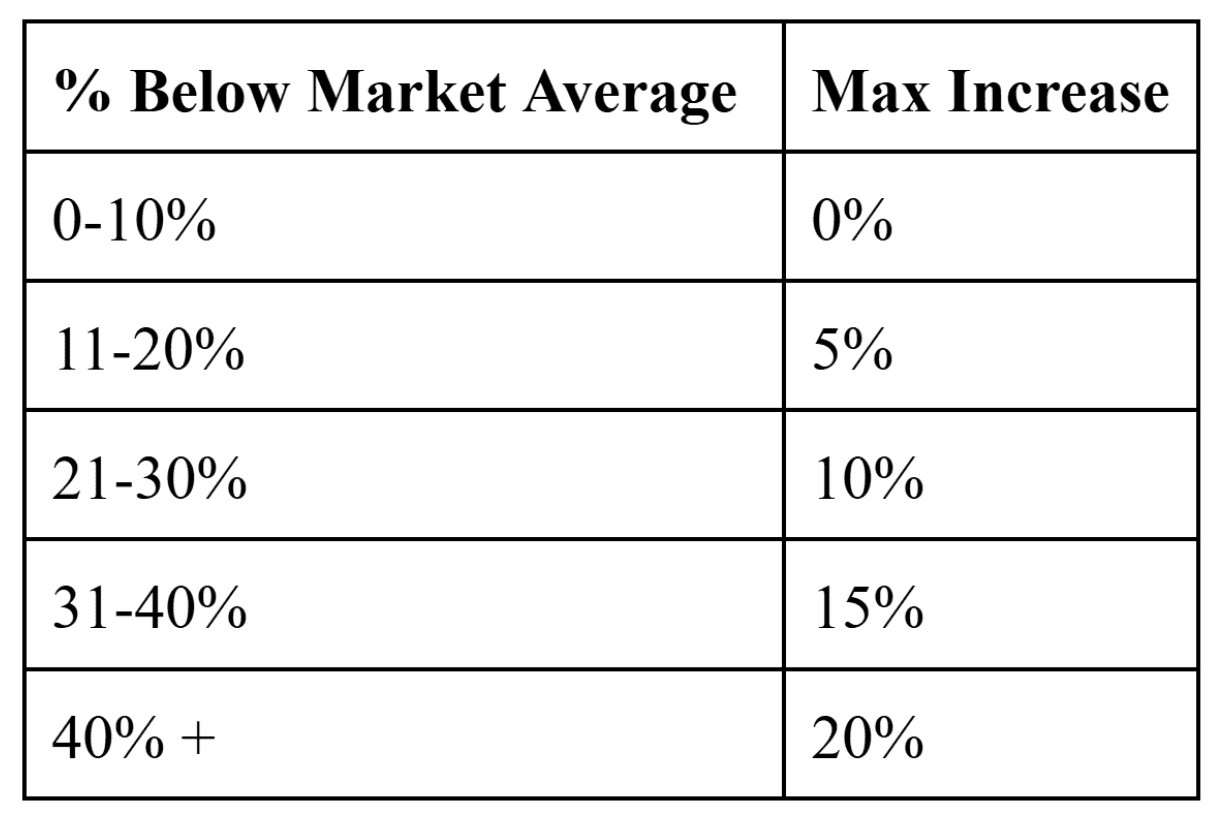
The calculator is available on the DLD website or Dubai Rest App.
Simplify Tenancy In Dubai With Prosper
Understanding how the Rental Dispute Center (RDC) works
If you have a disagreement with your landlord and cannot find a reasonable resolution that can be solved through mutual understanding, the Rental Dispute Center (RDC) will step in and help both parties come to a settlement on the differences. The RDC is an arm of the DLD, established specifically for dispute-like situations that may arise.
Follow is the procedure below to file a dispute:
-
Documents required: Documents required will include your Emirates ID, tenancy contract, Ejari certificate, DEWA bills (recent), any notices sent or received. Any photographic or video evidence you may have. All of these documents must be translated into Arabic.
-
Submit your case: Via the RDC portal or it can also be in person at a Trustee Center
-
Filing payment fee: Generally 3.5% of the yearly rent with a minimum of 500 AED to a maximum of 20K AED for renewal or eviction cases.
The case mostly starts in the Amicable Settlement Department, where a mediator tries to help both parties involved reach a mutually beneficial settlement.
If this fails, the matter is further pushed to a hearing in front of a panel of judges who will issue a final judgement on the same.

Renting in Dubai doesn’t have to be a stressful experience at all. If you possess the right knowledge of the rules, regulations, processes and your responsibilities as a tenant, you can easily transform into a confident and empowered resident.
By following this transparent and detailed guide, you are equipped to make your tenancy in Dubai a positive and rewarding one.
For tenants seeking extra support, Prosper makes renting simpler and more transparent by providing a centralized dashboard to manage tenancy documents, and track payments.
Tenants also get access to dedicated property specialists who answer questions, provide guidance, and offer data-backed insights to help make informed decisions, and feel confident throughout your rental journey.
Download Prosper now to streamline your rental experience.
Get Started With Prosper
Join owners and tenants across Dubai who manage everything in one place.